Biologists have long thought that seed traits, such as the presence of wings, are the key to predicting in what way, and how far, weeds can disperse. In our latest study published in New Zealand Journal of Ecology, my co-authors George Perry (University of Auckland), Kate McAlpine (Department of Conservation) and I established that unexpected modes of seed dispersal are surprisingly widespread and critical for explaining the dispersal ability of weeds in New Zealand.
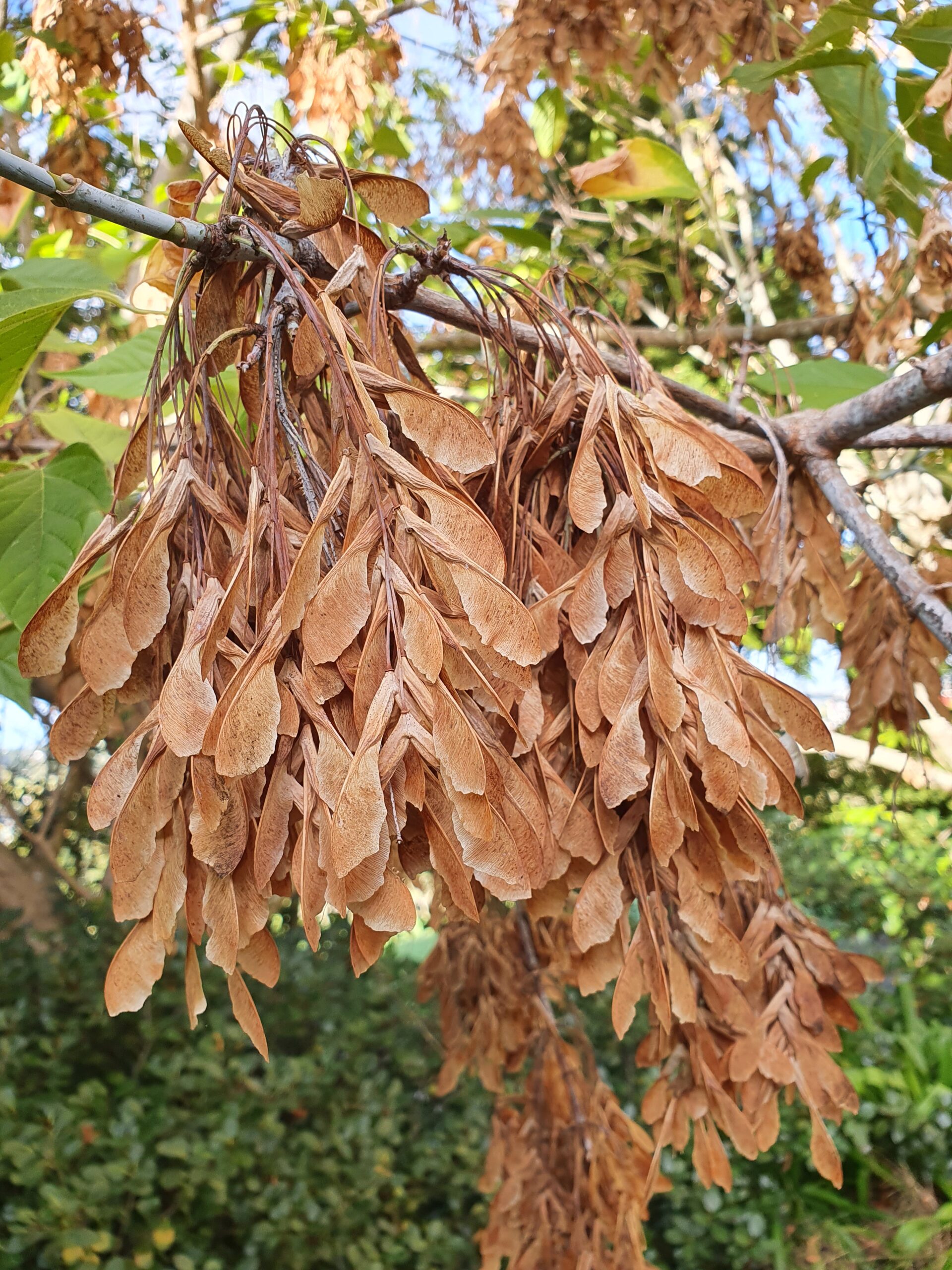
We undertook years of detective work gathering data for hundreds of weed species from earlier studies and showed that 44% of these species were dispersed by unexpected mechanisms – ones not predicted by their seed traits. Previously, seed dispersal mode was often predicted using seed characteristics. For example, seeds with wings and feathery plumes are carried by the wind, fleshy berries are dispersed by fruit-eating animals, and some plants even have a built-in “seed catapult”.
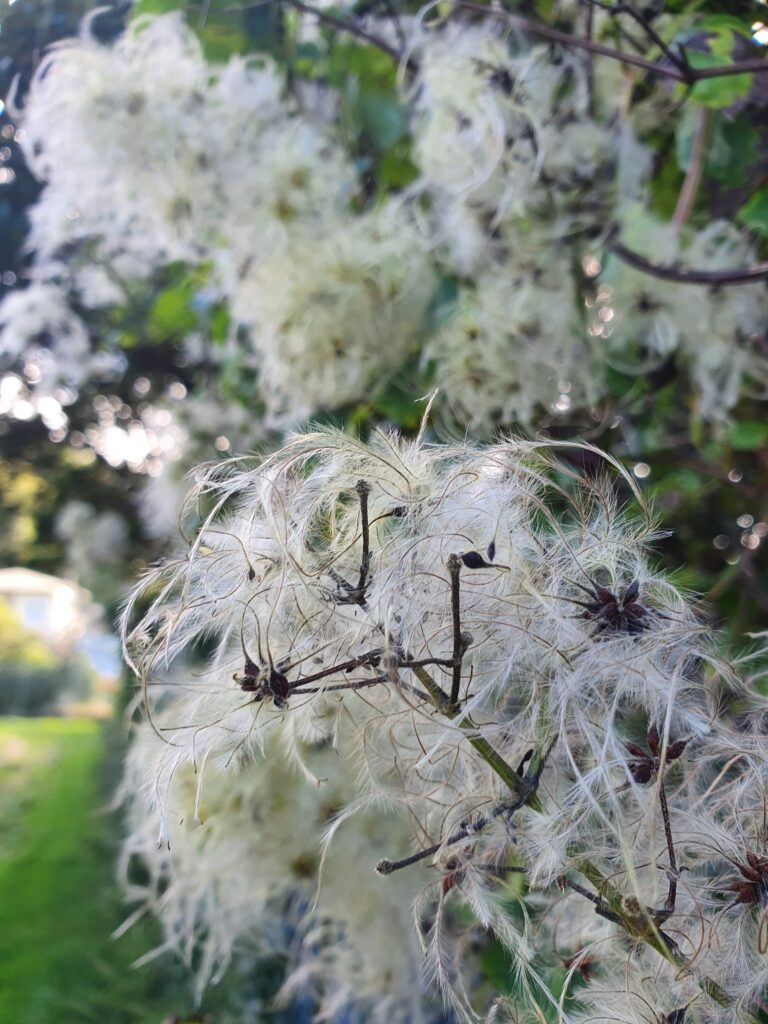
Unexpected dispersal modes not only were surprisingly widespread, but they also moved seeds further than dispersal mechanisms predicted by seed traits. We need to understand how weed seeds are actually getting around in order to predict their spread and their impacts on native ecosystems.
We found that animals are a key culprit in spreading weeds long distances – not only do they disperse more than 60% of weed species, they can move seeds much further than other mechanisms. Wilding pines illustrate the unexpected ways that animals can transport weed seeds. Pine seeds have wings that assist with wind dispersal, but they can also hitch a ride on animal feathers, fur or feet, in bird nesting material, and when water birds swallow them. Our research shows the sometimes-surprising ways that seeds can move around the landscape and emphasises how important it is to identify the full range of dispersal mechanisms that weeds use.
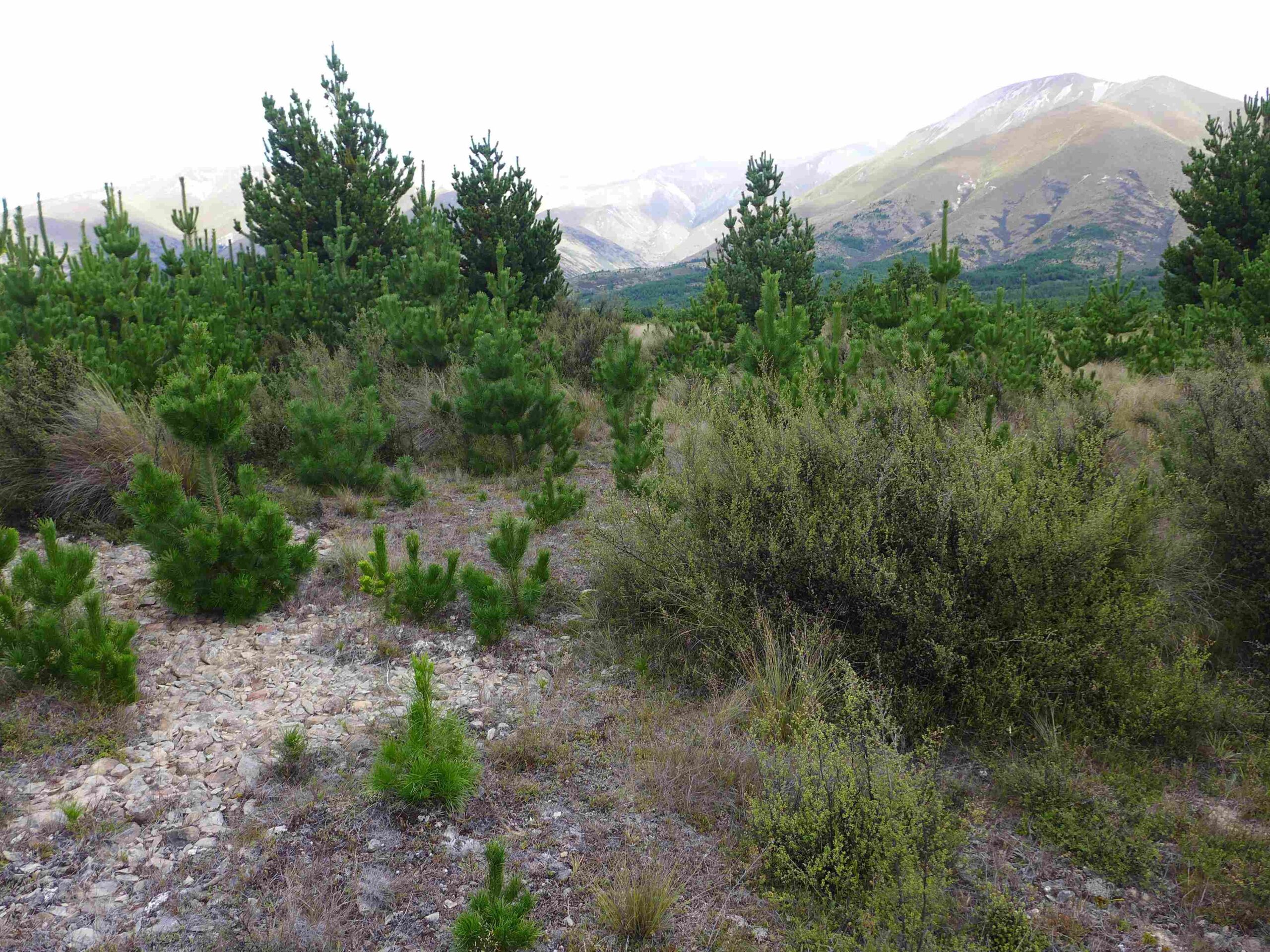
Unexpected seed dispersal mechanisms are probably even more common than our study found, as they have been rarely studied in New Zealand. To truly understand the historic and future spread of weeds, we must identify and examine the combined effect of multiple seed dispersal mechanisms. Our new research can also be used to identify and manage weed threats to New Zealand’s native ecosystems. Weed species with greater dispersal ability can spread more rapidly, including into newly suitable habitats as the environment changes.